
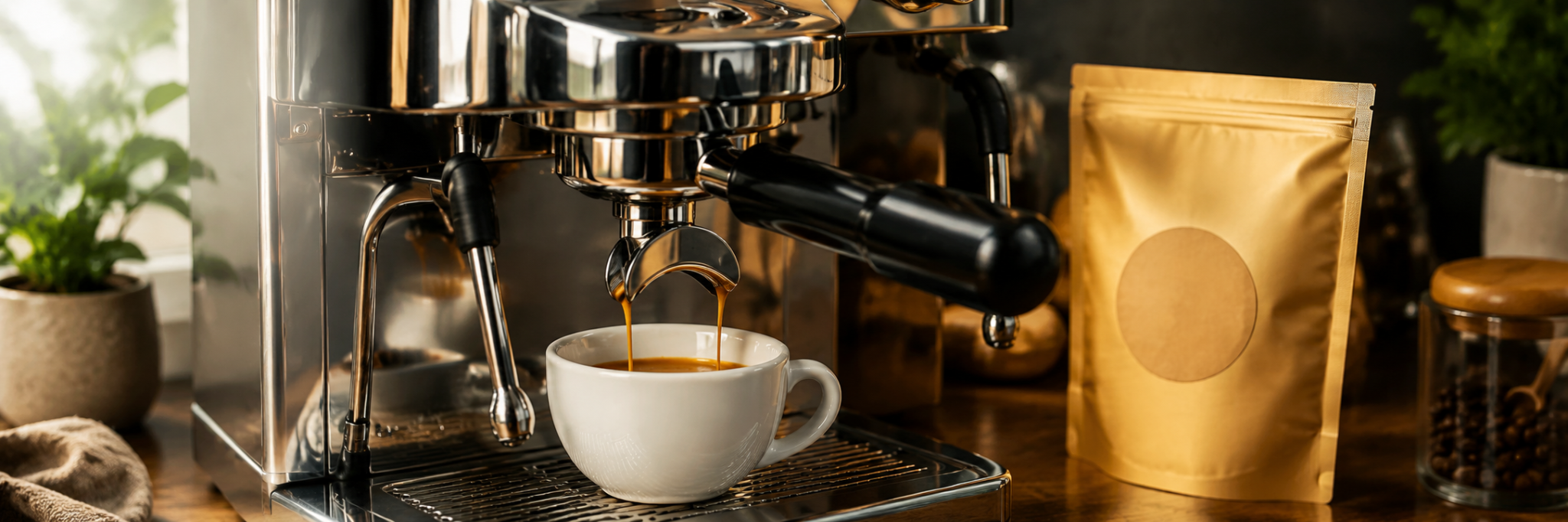
Coffee Machines
Choosing Coffee for Home Espresso Machines
Home espresso machines work best with fresh espresso or moka blends, ground correctly for your brewer. Match the coffee to your machine type—manual, capsule, bean-to-cup, or pod—and adjust grind and dose for balanced extraction.
Quick answer
Home espresso machines work best with fresh espresso or moka blends, ground correctly for your brewer. Match the coffee to your machine type—manual, capsule, bean-to-cup, or pod—and adjust grind and dose for balanced extraction.
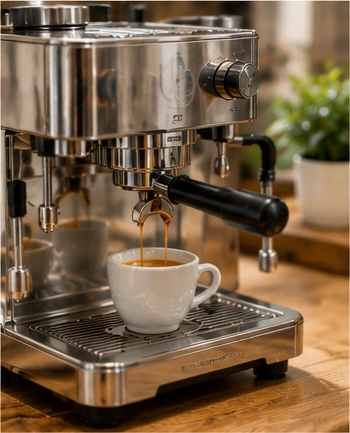
Why machine type should drive your coffee choice
A manual lever machine, capsule system, and bean-to-cup automatic all need different formats—even when the cup looks similar. Compatibility and freshness usually matter more than chasing the most expensive bag on the shelf.
Beginner buying checklist
- Confirm whether you need whole beans, ground espresso, or branded capsules
- Choose roasts labelled espresso or all-purpose Italian blend to start
- Buy enough for 2–4 weeks, not months, unless frozen professionally
- Match grind to your grinder or buy pre-ground for moka-compatible machines
- Keep a notebook of dose and grind tweaks when dialling in manual machines
Grind type, roast profile, and freshness
Whole beans stay aromatic longer if you grind before brewing. Medium to dark Italian roasts are a practical starting point for milk and straight shots. Very oily beans can clog some grinders—check your machine manual. Open bags should be sealed airtight and used within a few weeks for best results.
Coffee format by machine type
| Machine type | Best coffee format | Practical tip |
|---|---|---|
| Manual / semi-auto | Fresh whole beans, espresso grind | Adjust grind in small steps |
| Capsule / pod | System-specific capsules | Compatibility matters more than generic labels |
| Bean-to-cup | Whole bean espresso blends | Descale and clean brew unit on schedule |
| Moka-compatible electric | Ground moka or espresso | Do not use café puck-fine grind unless advised |
Common home machine coffee mistakes
Using stale beans because the bag was expensive
Freshness beats brand prestige for daily cups. Buy smaller amounts more often.
Ignoring capsule compatibility
Third-party pods vary in fit and flow. Start with pods designed for your system.
Skipping cleaning and descaling
Scale and old oils flatten flavour long before the beans are to blame.
Related Academy guides
What Is Espresso?
Espresso is a concentrated Italian coffee made by forcing hot water through finely ground coffee under pressure. It is the base for many café drinks and a daily ritual in Italian homes, bars, and workplaces.
Read guideHow to Use a Moka Pot
A moka pot brews stovetop espresso-style coffee using steam pressure. Fill the lower chamber with water, add finely ground coffee to the basket without pressing too hard, assemble, and heat gently until the upper chamber fills.
Read guideItalian Coffee Culture
Italian coffee culture is built around short, purposeful rituals: espresso at the bar, cappuccino in the morning, moka coffee at home, and coffee as a daily social pause rather than a large takeaway drink.
Read guideShop home espresso coffee and machines
Browse Italian beans, ground coffee, capsules, and home machines at Lalilano.
Frequently asked questions
What type of coffee works best in a home espresso machine?
Fresh coffee labelled for espresso or Italian blends is the best starting point for manual and bean-to-cup machines. Match the format to your brewer: whole beans for grinders, system-specific capsules for pod machines. Compatibility and freshness usually matter more than chasing the most expensive bag.
Should I buy beans or ground coffee?
Whole beans stay aromatic longer if you grind just before brewing, which suits manual and bean-to-cup machines. Pre-ground coffee is practical for capsule users or households without a grinder. Buy amounts you can use within a few weeks rather than stocking up for months.
What roast level is best for espresso?
Medium to dark Italian roasts are a practical default for home espresso and milk drinks. Very light roasts can taste sour or thin until you are confident dialling in grind and dose. Start balanced, then experiment once your machine produces consistent shots.
Why does grind size matter so much?
Grind controls how quickly water passes through the coffee and therefore how much flavour is extracted. Too coarse pours fast and tastes weak or sour; too fine chokes the machine and tastes bitter. Adjust in small steps and note what changes between shots.
Can supermarket coffee work in an espresso machine?
Yes, if it is labelled for espresso and fresh enough, though results vary by roast and grind quality. Dedicated espresso blends from Italian roasters often give more consistent body and balance. Avoid filter-only grinds in portafilter machines—they rarely extract well under pressure.
Why does my espresso pour too fast or too slowly?
Flow speed usually reflects grind size, dose, or tamp consistency on manual machines. Too fast often means grind is too coarse or dose too low; too slow means the opposite. On capsules, uneven flow may indicate compatibility or machine cleaning needs rather than coffee choice alone.
What coffee is best for milk drinks?
Choose blends with enough body and chocolate-nut notes to remain balanced after frothing. Italian espresso blends designed for cappuccino-style drinks are a sensible home choice. Extremely delicate single-origin light roasts can get lost under milk until you are experienced with dialing in.
How often should I adjust my grinder?
Adjust when shots change noticeably—new beans, different humidity, or after cleaning the machine. Small grind tweaks are normal week to week, not a sign of failure. Keep brief notes on dose and grind when you find a setting that works.
What should beginners look for first?
Start with one Italian espresso blend, correct format for your machine, and realistic expectations about dialing in. Fresh coffee, basic cleaning, and matched grind beat expensive accessories early on. Lalilano lists retail coffee online; contact us if you are unsure which format fits your machine.
Still choosing? Contact Lalilano with your brewing method, team size, or gifting occasion and we will help point you towards a suitable option.
Related guides
What Is Espresso?
Start with espresso fundamentals, daily Italian coffee habits, and the language of a good cup.
Read guide
Arabica vs Robusta
Compare Arabica and Robusta and choose blends suited to your brew method.
Read guide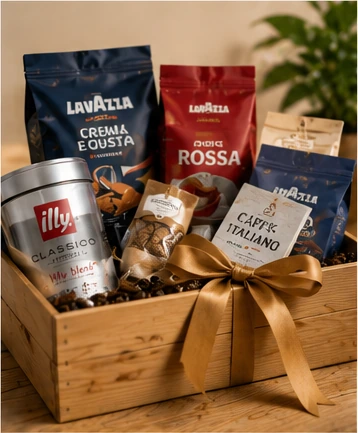
Italian Coffee Gifts
Find thoughtful Italian coffee gift ideas for homes, hosts, and thank-you moments.
Read guideExplore, shop, or enquire
Browse Italian coffee, gift boxes, and home café essentials—or contact Lalilano with questions.