
Brewing Guides
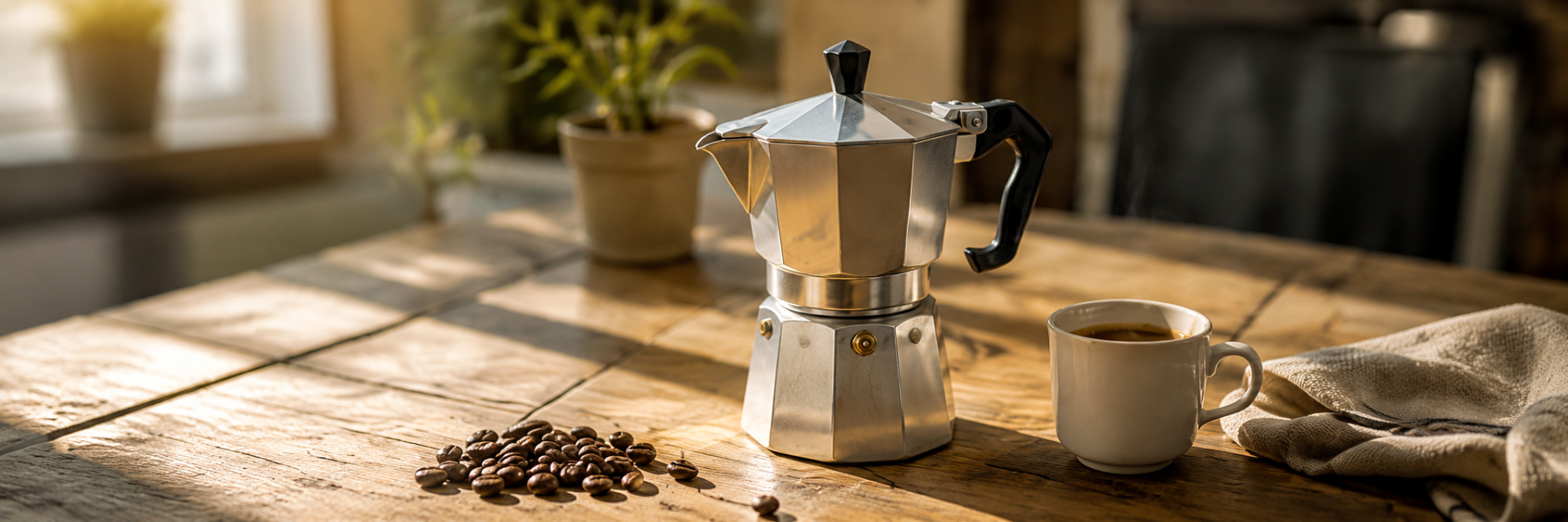
How to Use a Moka Pot
A moka pot brews stovetop espresso-style coffee using steam pressure. Fill the lower chamber with water, add finely ground coffee to the basket without pressing too hard, assemble, and heat gently until the upper chamber fills.
Quick answer
A moka pot brews stovetop espresso-style coffee using steam pressure. Fill the lower chamber with water, add finely ground coffee to the basket without pressing too hard, assemble, and heat gently until the upper chamber fills.
Why the moka pot still defines home Italian coffee
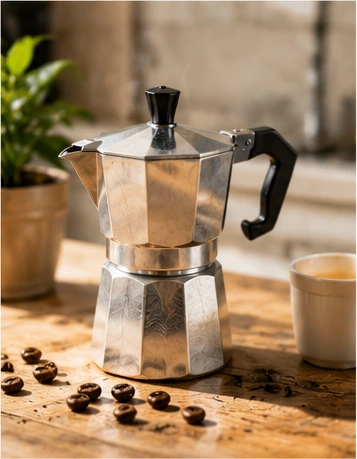
Before capsule machines filled kitchen counters, the moka pot was the everyday way to make strong coffee at home. It is affordable, durable, and produces a small intense cup that Italians often dilute with hot water or drink straight after breakfast.
Step-by-step moka pot brewing
- Unscrew the pot and remove the filter basket
- Fill the lower chamber with water up to the safety valve—never above it
- Fill the basket with moka or espresso grind level to the rim without tamping
- Assemble tightly so no steam escapes from the join
- Place on medium heat with the lid open
- When coffee flows steadily, close the lid and remove from heat as the stream lightens
- Serve promptly; do not leave on the hob to boil dry
Grind size, water level, and heat control
Grind should be finer than filter but coarser than café espresso puck grind. Level the basket; packing it like a barista puck can choke flow or cause bitterness. Medium heat gives a smoother extraction than rushing on full flame. If coffee sputters violently, lower the heat next time.
Moka pot troubleshooting
| Problem | Likely cause | What to try |
|---|---|---|
| Bitter taste | Too much heat or over-extraction | Lower heat; stop brew earlier |
| Weak coffee | Grind too coarse or stale beans | Finer grind; fresher moka-labelled coffee |
| No coffee rising | Loose seal or blocked filter | Check gasket, clean holes, tighten assembly |
| Metallic taste | Residue or overheating | Rinse with water only; avoid harsh detergents |
| Sputtering finish | Heat too high at end of brew | Remove from hob sooner |
Cleaning mistakes to avoid
Washing with strong detergent
Soap residue can taint the next brew. Hot water rinse and thorough drying are usually enough.
Neglecting the gasket
Worn gaskets leak pressure and produce weak coffee. Replace when the seal looks cracked or flattened.
Storing wet parts
Moisture encourages odours and tarnish. Air-dry completely before reassembly.
Related Academy guides
What Is Espresso?
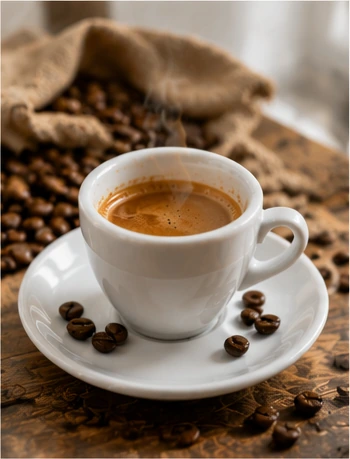
Espresso is a concentrated Italian coffee made by forcing hot water through finely ground coffee under pressure. It is the base for many café drinks and a daily ritual in Italian homes, bars, and workplaces.
Read guideArabica vs Robusta
Arabica and Robusta are the two main coffee species used in Italian blends. Arabica tends to be smoother and more aromatic; Robusta adds body, crema, and intensity. Most Italian espresso blends combine both.
Read guideCoffee for Home Espresso Machines
Home espresso machines work best with fresh espresso or moka blends, ground correctly for your brewer. Match the coffee to your machine type—manual, capsule, bean-to-cup, or pod—and adjust grind and dose for balanced extraction.
Read guidePair your moka with Italian coffee
Shop ground coffee and beans suited to stovetop brewing, plus gift bundles for new home baristas.
Frequently asked questions
What grind size should I use for a moka pot?
Use a grind finer than filter but usually not as fine as commercial café espresso puck grind. Coffee labelled for moka or stovetop is the safest starting point. If flow is slow or bitter, try slightly coarser; if weak, go a touch finer.
Should I use hot or cold water in the base?
Many brewers start with water already heated in the kettle to reduce time on the hob and limit overheating the coffee chamber. Cold water works too, but keep heat moderate either way. The goal is steady extraction, not rushing on full flame.
How high should I fill the water chamber?
Fill to just below the safety valve—never above it. Too little water under-fills the cup; too much risks pressure issues. Level the coffee basket separately; water level and coffee dose work together for balance.
Should I press the coffee down?
No. Level the coffee to the rim of the basket but do not tamp like a café portafilter. Packing too firmly can block flow, cause sputtering, or produce harsh bitterness. A loose, even bed is what moka pots are designed for.
Why does my moka pot coffee taste bitter?
Bitterness usually comes from too much heat, leaving the pot on the hob after the stream lightens, or stale coffee. Try medium heat, remove the pot as soon as brewing finishes, and use fresh moka-labelled coffee. Slightly coarser grind can also help if extraction runs long.
When should I remove the moka pot from the heat?
Remove it when the flow steadies and before it hisses and lightens—that is often a sign of over-extraction. Some brewers briefly run the base under cold water to stop extraction; closing the lid once flow is steady is enough for most home setups.
How should I clean a moka pot?
Rinse with hot water after use and dry thoroughly before reassembly. Avoid harsh detergents that leave residue on aluminium models. Check the gasket and filter holes periodically; worn seals or blockages cause weak or uneven brews.
Can I use moka pot coffee for milk drinks?
Yes. Moka coffee is strong enough to pair with steamed or warmed milk for home cappuccino-style drinks. It will not taste identical to bar espresso, but many Italian households use moka as their everyday base for morning milk coffee.
Is moka pot coffee the same as espresso?
It is espresso-style—small, intense, and daily—but moka pots use lower pressure than café machines. Texture, crema, and extraction differ. Italians often drink moka straight or diluted with hot water rather than expecting a identical bar shot.
Still choosing? Contact Lalilano with your brewing method, team size, or gifting occasion and we will help point you towards a suitable option.
Related guides
What Is Espresso?
Start with espresso fundamentals, daily Italian coffee habits, and the language of a good cup.
Read guide
Arabica vs Robusta
Compare Arabica and Robusta and choose blends suited to your brew method.
Read guide
Italian Coffee Culture
Understand bar rituals, home traditions, and the social rhythm behind Italian coffee.
Read guideExplore, shop, or enquire
Browse Italian coffee, gift boxes, and home café essentials—or contact Lalilano with questions.