
Coffee Bean Guide
Arabica vs Robusta: What Is the Difference?
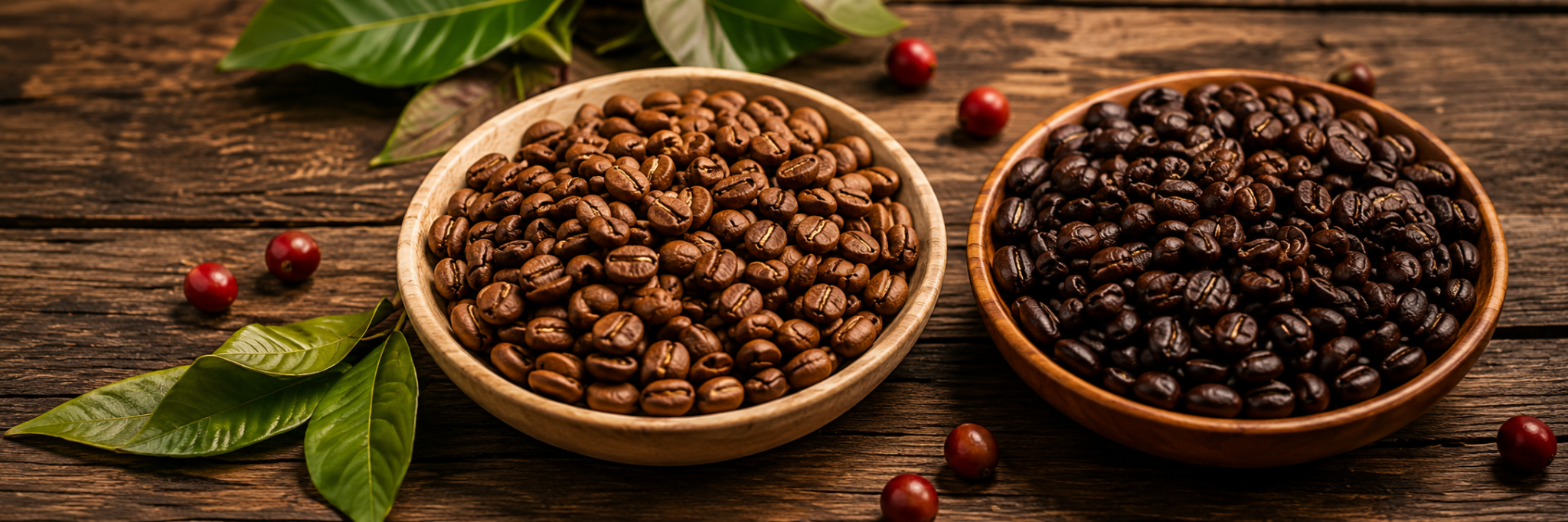
Arabica and Robusta are the two main coffee species used in Italian blends. Arabica tends to be smoother and more aromatic; Robusta adds body, crema, and intensity. Most Italian espresso blends combine both.
Quick answer
Arabica and Robusta are the two main coffee species used in Italian blends. Arabica tends to be smoother and more aromatic; Robusta adds body, crema, and intensity. Most Italian espresso blends combine both.
Why bean species matter for Italian espresso
Species affects sweetness, bitterness, caffeine, crema, and how a blend behaves in a moka pot or home machine. Italian roasters rarely treat Arabica and Robusta as rivals—they combine them to build a cup that feels complete in a small serving.
Arabica vs Robusta at a glance
| Arabica | Robusta | |
|---|---|---|
| Typical taste | Sweeter, softer, more aromatic | Bolder, more bitter, heavier body |
| Caffeine | Lower per bean | Higher per bean |
| Crema support | Aroma-led | Often improves crema and mouthfeel |
| Common use | Premium blends, filter, gifting | Structure in espresso blends |
| Home brewing note | Gentler alone in milk drinks | Adds punch in small cups |
Why Italian espresso often blends both
Classic Italian espresso aims for balance: fragrance from Arabica, structure from Robusta. Northern blends may lean milder; southern roasts can feel darker and more assertive. The label “espresso” or “moka” often tells you more about intended brew method than species alone.
How to choose beans for your brew method
- For moka pots, start with medium roasts labelled moka or espresso
- For milk drinks, choose a blend with enough body to stay balanced after frothing
- For gifting, 100% Arabica can suit people who prefer gentler cups
- For capsules, buy pods designed for your system rather than guessing grind
- Check roast date or best-before and store opened packs airtight
Common bean choice mistakes
Assuming 100% Arabica is always “better”
Quality depends on origin, roast, and freshness. Many excellent Italian espressos use Robusta carefully for crema and balance.
Using filter roast for pressure brewing
Very light filter roasts can taste sharp or thin in espresso-style methods. Start with Italian espresso or moka-labelled coffee.
Ignoring brew method on the label
Beans ground for filter may clog or under-extract in a moka pot. Match grind and roast to your equipment.
Related Academy guides
What Is Espresso?
Espresso is a concentrated Italian coffee made by forcing hot water through finely ground coffee under pressure. It is the base for many café drinks and a daily ritual in Italian homes, bars, and workplaces.
Read guideCoffee for Home Espresso Machines
Home espresso machines work best with fresh espresso or moka blends, ground correctly for your brewer. Match the coffee to your machine type—manual, capsule, bean-to-cup, or pod—and adjust grind and dose for balanced extraction.
Read guideItalian Coffee Gifts
Thoughtful Italian coffee gifts combine quality coffee with presentation—beans, ground coffee, capsules, moka accessories, or curated bundles for birthdays, thank-yous, and hosting moments.
Read guideCompare Italian coffee beans
See whole bean, ground, and capsule options from trusted Italian roasters at Lalilano.
Frequently asked questions
What is the main difference between Arabica and Robusta?
Arabica and Robusta are two coffee species with different flavour profiles, caffeine levels, and roles in blending. Arabica tends to be softer and more aromatic; Robusta is bolder, more bitter, and adds body. Italian espresso rarely uses one alone—blends combine both for balance in a small cup.
Which tastes smoother?
Arabica is usually described as smoother and sweeter, with more delicate aroma. Robusta can taste heavier and more assertive on its own. In a well-made blend, Robusta supports structure without dominating, so “smooth” often comes from the roast and blend rather than 100% Arabica alone.
Which has more caffeine?
Robusta typically contains more caffeine by weight than Arabica. Your actual intake still depends on serving size, brew method, and how much you drink. A small espresso blend with Robusta is not automatically “stronger” than a large mug of filter coffee.
Why do many Italian espresso blends use both?
Classic Italian espresso aims for fragrance from Arabica and body from Robusta in one short serving. Robusta can also help crema and mouthfeel on machine shots. Regional styles vary, but the blend philosophy is about completeness, not choosing a winner between species.
Is Robusta lower quality than Arabica?
Not necessarily. Robusta quality depends on origin, processing, roast, and how it is used in the blend. Cheap Robusta can taste harsh, but carefully selected Robusta is a deliberate choice in many respected Italian espressos. Species alone does not define quality.
Which is better for crema?
Robusta often supports crema and density on fresh machine espresso, while Arabica leads aroma. Home moka pots may show less crema regardless of species. For crema-focused machine brewing, a balanced blend labelled for espresso is a practical starting point.
Which should I choose for home espresso?
Start with coffee labelled for espresso or moka rather than choosing species in isolation. If you prefer gentler cups, try blends leaning Arabica; if you want more punch in milk drinks, a blend with Robusta may suit. Freshness and correct grind matter as much as the label.
Which is better with milk?
Milk drinks need coffee with enough body to stay balanced after frothing. Blends with some Robusta often hold up well in cappuccino-style drinks. Very delicate 100% Arabica can taste pleasant alone but disappear under milk if the roast is too light.
How can I tell what blend suits me?
Note how you brew—moka, capsule, or machine—and whether you drink straight or with milk. Try one Italian espresso blend at a time and compare body, bitterness, and aroma. If a cup feels too sharp, try a slightly darker moka-labelled blend before changing species.
Still choosing? Contact Lalilano with your brewing method, team size, or gifting occasion and we will help point you towards a suitable option.
Related guides
What Is Espresso?
Start with espresso fundamentals, daily Italian coffee habits, and the language of a good cup.
Read guide
Coffee for Home Espresso Machines
Match Italian coffee to manual, capsule, and bean-to-cup machines at home.
Read guide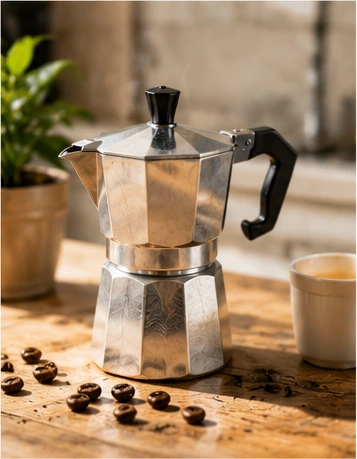
How to Use a Moka Pot
Learn practical methods for moka pots, home espresso machines, and consistent everyday brewing.
Read guideExplore, shop, or enquire
Browse Italian coffee, gift boxes, and home café essentials—or contact Lalilano with questions.