
Coffee Basics
What Is Espresso?
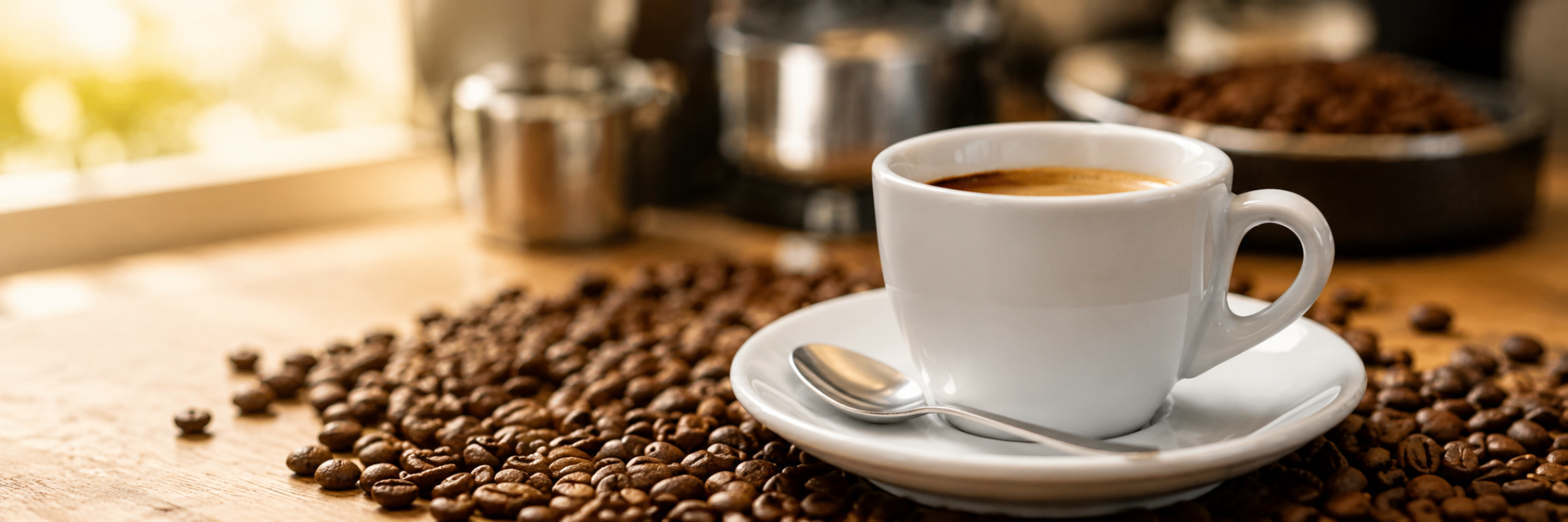
Espresso is a concentrated Italian coffee made by forcing hot water through finely ground coffee under pressure. It is the base for many café drinks and a daily ritual in Italian homes, bars, and workplaces.
Quick answer
Espresso is a concentrated Italian coffee made by forcing hot water through finely ground coffee under pressure. It is the base for many café drinks and a daily ritual in Italian homes, bars, and workplaces.
Why espresso matters in Italian daily life
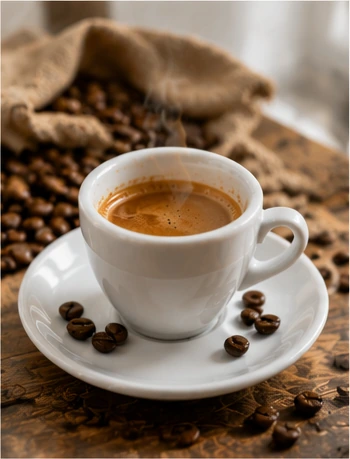
In Italy, espresso is less a fashion statement and more a punctuation mark in the day—quick, social, and consistent. Understanding what makes it espresso helps you choose better beans, grind more accurately, and judge whether your home setup is producing a balanced cup rather than a harsh or watery one.
Espresso vs filter coffee: what changes in the cup?
Both can use the same beans, but brewing method changes concentration, texture, and how milk pairs with the coffee.
| Espresso | Filter coffee | |
|---|---|---|
| Brew method | Pressure (machine or moka-style) | Gravity drip or immersion |
| Typical volume | 25–40 ml per shot | 200–300 ml per mug |
| Texture | Dense with crema on top | Lighter body, more volume |
| Grind | Fine | Medium to coarse |
| Best use | Quick shots, milk drinks, moka pots | Longer sipping cups |
Pressure, grind size, crema, and serving size
True café espresso uses high pressure—often around 9 bar—to extract oils and solids quickly. Home moka pots use steam pressure at lower levels but still produce a small, intense cup. Grind should be fine enough to slow flow without choking the brew. Crema, the golden foam on a fresh shot, comes from emulsified oils and fresh CO₂ in the beans. A standard Italian espresso is short; ordering a “lungo” stretches the pour but changes balance.
What to look for in a balanced espresso-style cup
- Aroma that is sweet or nutty rather than flat or stale
- Body that feels full, not thin like over-diluted filter
- Finish that is clean rather than harshly bitter or sour
- Crema that holds briefly on a fresh machine shot
- Milk drinks that still taste of coffee, not just warm milk
Common espresso mistakes at home
Most home brewing issues come from grind, freshness, or heat—not from needing expensive equipment on day one.
Weak or missing crema
Often caused by stale beans, grind too coarse, or water that is not hot enough. Try fresher coffee labelled for espresso and a slightly finer grind.
Sour, sharp shot
Usually under-extraction: grind too coarse, dose too low, or shot pulled too fast. Tighten grind slightly or increase dose in small steps.
Bitter, drying shot
Often over-extraction or scorching on a moka pot. Lower heat, avoid tamping moka coffee like café puck coffee, and stop brewing before the flow hisses and lightens.
Continue learning in the Academy
These guides build naturally on espresso basics.
Arabica vs Robusta
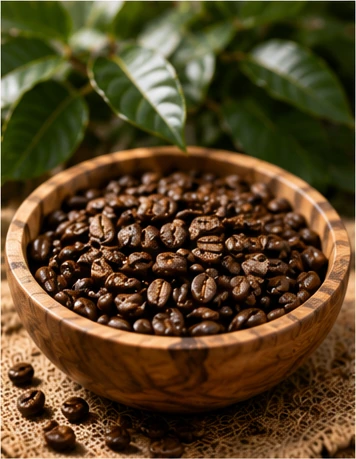
Arabica and Robusta are the two main coffee species used in Italian blends. Arabica tends to be smoother and more aromatic; Robusta adds body, crema, and intensity. Most Italian espresso blends combine both.
Read guideHow to Use a Moka Pot
A moka pot brews stovetop espresso-style coffee using steam pressure. Fill the lower chamber with water, add finely ground coffee to the basket without pressing too hard, assemble, and heat gently until the upper chamber fills.
Read guideItalian Coffee Culture
Italian coffee culture is built around short, purposeful rituals: espresso at the bar, cappuccino in the morning, moka coffee at home, and coffee as a daily social pause rather than a large takeaway drink.
Read guideExplore Italian espresso coffee at Lalilano
Browse Lavazza and Caffè Verri selections suited to home espresso, moka pots, and gifting.
Frequently asked questions
What is espresso in simple terms?
Espresso is a concentrated coffee made by forcing hot water through finely ground coffee under pressure. It is usually served in a small cup because the brew is intense, aromatic, and meant to be drunk quickly rather than sipped slowly like filter coffee. In Italy it is an everyday drink at home, at work, and at the bar.
Is espresso a type of coffee bean or a brewing method?
Espresso is a brewing method, not a bean species. You can brew many coffee types as espresso, but roasters often create blends roasted and ground specifically for pressure brewing. Labels such as “espresso” or “moka” usually describe intended brew style more than a single origin.
Why is espresso served in a small cup?
A standard espresso is short—often around 25–40 ml—because pressure extracts flavour quickly into a dense, concentrated cup. The small serving keeps balance: sweetness, bitterness, and aroma stay in proportion. Milk drinks then build on that base rather than diluting a large mug of coffee.
What should good espresso taste like?
Good espresso should taste balanced rather than harsh: some sweetness or nuttiness, full body, and a clean finish without excessive sourness or dryness. It does not need to taste painfully strong. Flat, stale, or sharply bitter cups usually point to grind, freshness, or heat issues rather than “bad beans” alone.
What is crema and why does it matter?
Crema is the golden foam that sits on a fresh espresso shot, formed from emulsified oils and CO₂ in the coffee. It is a sign of freshness and correct extraction on a machine, though moka pot coffee will not always produce the same thick crema. Crema adds texture and aroma, but taste balance matters more than foam alone.
Why does espresso sometimes taste sour or bitter?
Sourness often means under-extraction: grind too coarse, dose too low, or water not hot enough. Bitterness usually means over-extraction, stale beans, or too much heat—common on moka pots left on the hob too long. Adjust one variable at a time rather than changing grind, dose, and heat all at once.
Can I make espresso at home without a professional machine?
Yes. Many Italian households use a moka pot or a compact home espresso machine rather than a café-style setup. Moka coffee is espresso-style—small, intense, and daily—but it uses lower pressure than a professional machine, so the cup will feel similar in spirit rather than identical in texture.
What coffee works best for espresso?
Start with coffee labelled for espresso or moka, usually a medium to dark Italian blend with a grind matched to your equipment. Freshness matters more than brand prestige: buy amounts you can use within a few weeks and store airtight. Very light filter-only roasts can taste sharp or thin in pressure brewing.
Is espresso stronger than regular coffee?
Espresso is more concentrated per millilitre, but a single shot is much smaller than a mug of filter coffee. Total caffeine depends on how much you drink, bean species, and blend. One espresso is not automatically equal to a large Americano in caffeine terms.
Still choosing? Contact Lalilano with your brewing method, team size, or gifting occasion and we will help point you towards a suitable option.
Related guides
Arabica vs Robusta
Compare Arabica and Robusta and choose blends suited to your brew method.
Read guide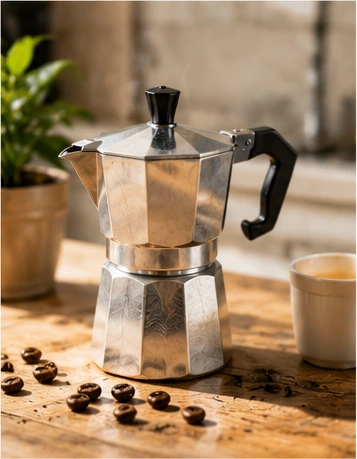
How to Use a Moka Pot
Learn practical methods for moka pots, home espresso machines, and consistent everyday brewing.
Read guide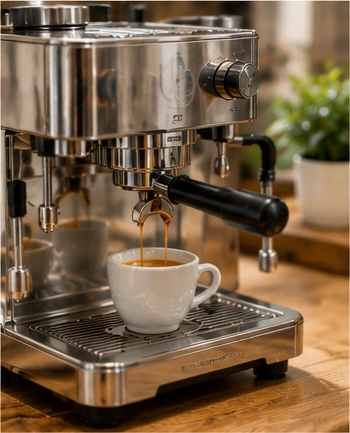
Coffee for Home Espresso Machines
Match Italian coffee to manual, capsule, and bean-to-cup machines at home.
Read guideExplore, shop, or enquire
Browse Italian coffee, gift boxes, and home café essentials—or contact Lalilano with questions.