

Italian Coffee Culture
Italian Coffee Culture: Rituals, Rules and the Beauty of Everyday Espresso
A practical guide to how Italians drink coffee, how the bar ritual works, when to order cappuccino, why the moka pot matters, and how to bring a more Italian coffee rhythm into your home.
Quick answer
Italian coffee culture is built around short, purposeful rituals: espresso at the bar, cappuccino in the morning, moka coffee at home, and coffee as a daily social pause rather than a large takeaway drink.
What is Italian coffee culture?
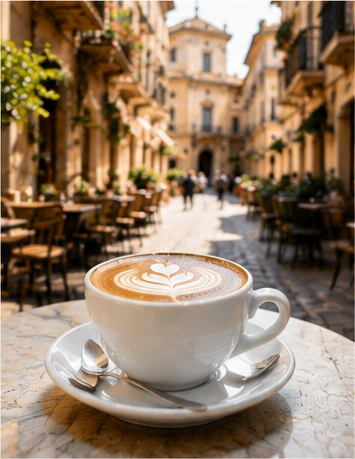
Across Italy, coffee marks the tempo of ordinary life. A morning moka pot on the hob, a standing espresso at the neighbourhood bar, a brief exchange with the barista, then back into the street: these are not luxuries so much as punctuation. The cup is small, the ritual is clear, and the social meaning is as important as the flavour. Visitors often notice the speed first. Locals notice the rhythm. Understanding that difference is the beginning of understanding Italian coffee culture—and of choosing espresso blends for everyday rituals that suit a home café rather than a takeaway habit.
In Italy, coffee is less a leisurely indulgence than a punctuation mark in the day.

When do Italians drink cappuccino?
Cappuccino belongs to breakfast: milk, pastry, and the soft start of the day. After lunch, most Italians prefer a short espresso—simply ordered as un caffè—without milk. The “rule” is cultural rather than legal, and habits vary by person and place, yet the morning association remains strong. Visitors who order milky coffee all day are rarely refused; they simply step outside the everyday pattern. If you are building a home ritual, keep cappuccino for mornings and let espresso carry the rest of the day.
What is the Italian bar?
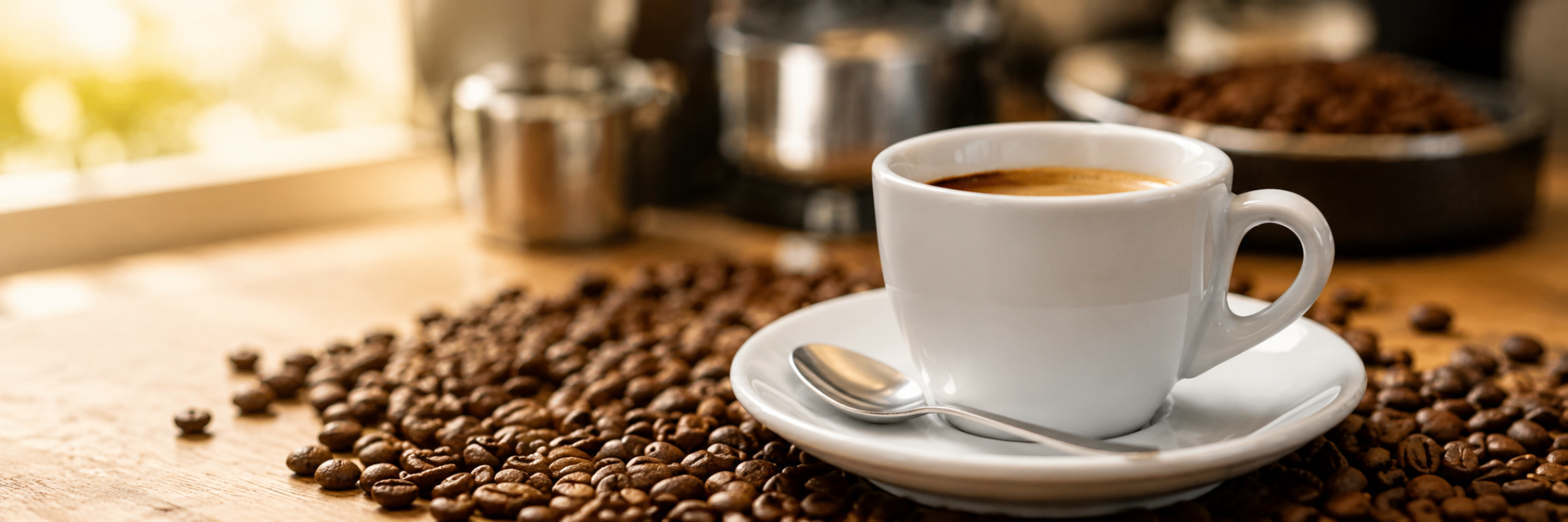
An Italian bar is not primarily a late-night drinking venue. It is the neighbourhood’s daytime hub: coffee, cornetti, newspapers, brief conversation, and the practised choreography of counter service. You order at the bar, drink standing, pay, and move on. Table service exists—especially in scenic or tourist districts—but standing espresso remains the everyday norm. In cities such as Rome, the contrast between a local bar and a terrace café near a landmark can feel sharp: one sells speed and familiarity; the other sells place, view, and the pleasure of sitting in the city. Both are part of Italian coffee life; they simply answer different needs.

What is moka coffee?
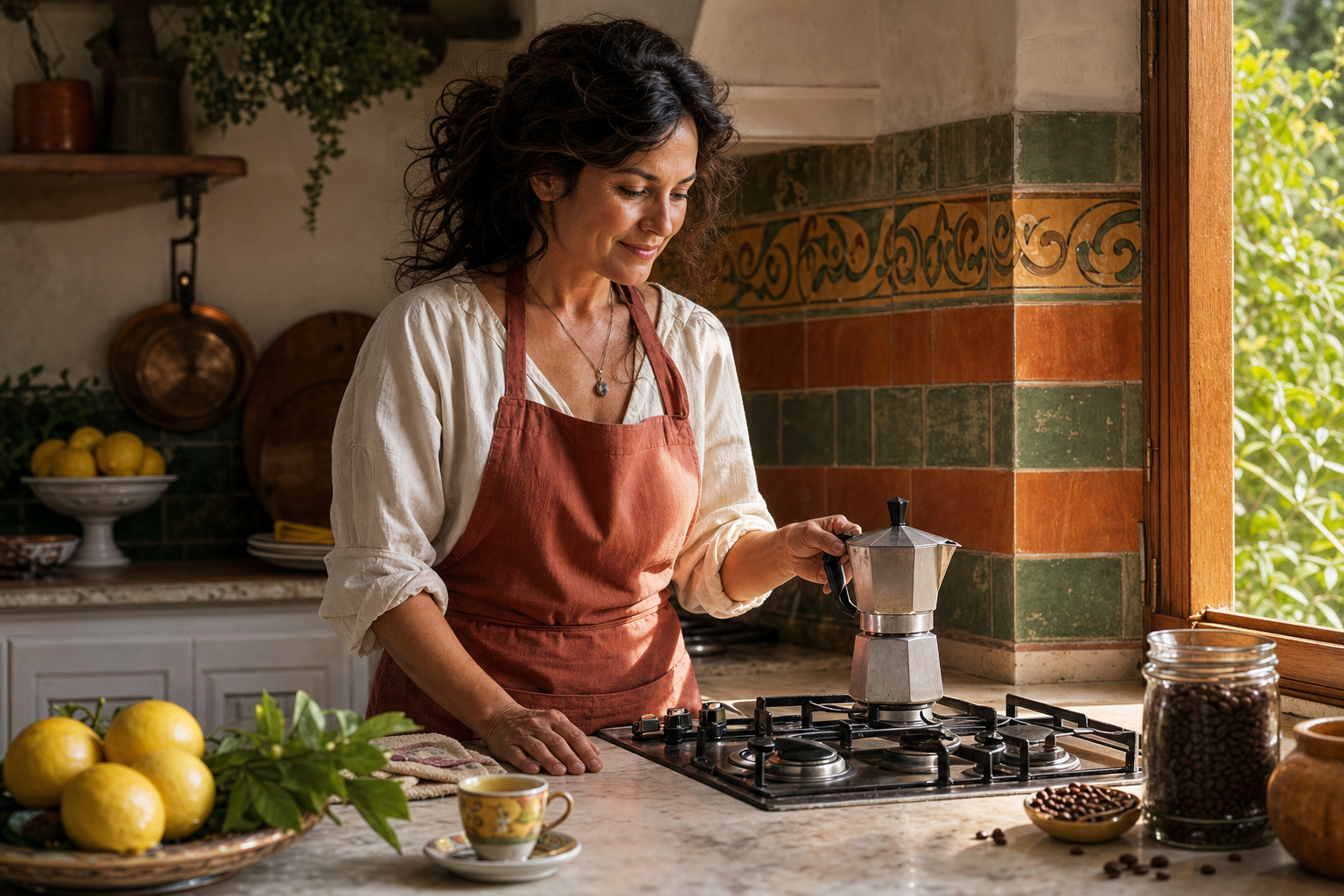
Before many Italians leave the house, the moka pot has already spoken. Water in the base, coffee in the basket, a gentle hiss on the hob, and a rich, aromatic brew for the family table. Moka coffee is not identical to bar espresso, yet it shares the same cultural preference for intensity in a small serving. It is domestic, shared, and deeply familiar. Our Academy guide on how to use a moka pot covers the practical steps; for the cup itself, look for moka-friendly ground coffee such as everyday Italian blends including Lavazza Qualità Rossa.
How can you recreate Italian coffee culture at home?
You do not need a marble counter in Milan to borrow the Italian idea of coffee. Choose one method you will use consistently—moka, home espresso, or a carefully matched capsule machine—and serve in proper small cups. Keep milk drinks for the morning. Attach the cup to a moment: breakfast, after lunch, weekend hosting. Pair coffee with a simple pastry or biscuit when you want the social side of the ritual. Lalilano brings together Italian-style coffee, home café coffee bundles, Italian coffee gift boxes, and the Lalilano Coffee Club so the rhythm can live in a UK kitchen as comfortably as in a Roman bar. For equipment, explore espresso machine pairings that suit your space and pace.

Bring the Italian Coffee Ritual Home
The Italian coffee ritual does not have to stay in Rome, Milan or Naples. Lalilano brings together Italian-style coffee, treats, gift boxes and home café essentials for slower mornings, elegant hosting and thoughtful gifting.
Italian Coffee Collection
Everyday espresso and moka blends for a more Italian cup at home.
Shop coffeeCoffee & Pastry Gift Boxes
Thoughtful Italian coffee gift boxes for birthdays, thank-yous and hosting.
Explore giftsCoffee Club
A recurring Italian coffee rhythm delivered through the Lalilano Coffee Club.
Join the clubHosting Bundles
Home café coffee bundles curated for generous tables and weekend guests.
Browse bundlesMoka-Friendly Ground Coffee
Ground Italian coffee suited to the domestic moka pot ritual.
Find moka coffeeEspresso Machine Pairings
Coffee machines and pairings for a confident home espresso setup.
Shop machinesRelated Academy guides
What Is Espresso?
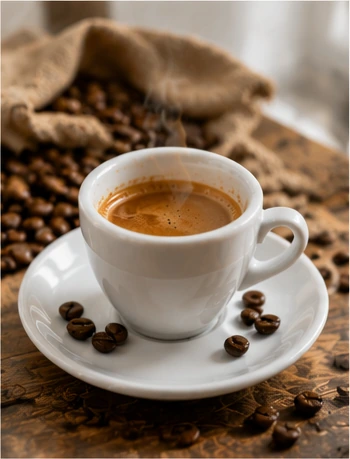
Espresso is a concentrated Italian coffee made by forcing hot water through finely ground coffee under pressure. It is the base for many café drinks and a daily ritual in Italian homes, bars, and workplaces.
Read guideHow to Use a Moka Pot
A moka pot brews stovetop espresso-style coffee using steam pressure. Fill the lower chamber with water, add finely ground coffee to the basket without pressing too hard, assemble, and heat gently until the upper chamber fills.
Read guideItalian Coffee Gifts
Thoughtful Italian coffee gifts combine quality coffee with presentation—beans, ground coffee, capsules, moka accessories, or curated bundles for birthdays, thank-yous, and hosting moments.
Read guideSources and further reading
This guide draws on widely observed Italian coffee etiquette, brand cultural writing, and Lalilano’s own product and Academy pages. It is written for practical understanding rather than academic citation.
- Lavazza — Italian coffee culture and ritual
- Italian coffee ordering and etiquette references
- Lalilano product and coffee collection pages
- Lalilano Italian Coffee Academy guides on espresso, moka pots and gifting
Explore Italian coffee for home
Browse beans, moka-friendly blends, espresso selections, gift boxes and the Coffee Club to bring Italian ritual into your own kitchen.
Italian Coffee Culture FAQ
What makes Italian coffee culture different?
It centres on short, purposeful cups and social rhythm rather than large takeaway drinks. Espresso at the bar, morning cappuccino, and home moka coffee create a daily pattern of brief, intentional pauses.
Why do Italians drink espresso so quickly?
Espresso is designed as a small, concentrated serving meant to be drunk hot and promptly. The speed protects flavour and fits a culture that treats coffee as a brief pause between other parts of the day.
Do Italians drink cappuccino after lunch?
Generally no. Cappuccino is widely treated as a morning drink. After lunch, espresso without milk is the more common choice, though personal habits can vary.
What is the difference between espresso and moka coffee?
Espresso is extracted under high pressure at the bar or on a home espresso machine. Moka coffee is brewed on the hob with steam pressure in a moka pot. Both are strong and aromatic, but the texture, crema and ritual differ.
What should I order in an Italian bar?
Order un caffè for a standard espresso. Choose cappuccino in the morning if you want milk. Decide whether you are standing at the bar or sitting at a table, as pace and price can differ.
How can I make Italian-style coffee at home?
Use fresh Italian coffee suited to your method, brew with a moka pot or espresso machine, serve in small cups, and keep the ritual simple. Match milk drinks to morning hours if you want a more Italian rhythm.
What coffee gifts work well for someone who loves Italy?
Italian coffee gift boxes, hosting bundles, quality beans or ground coffee, and treats that suggest a café table at home all work well. Choose formats the recipient can actually use.
What is the best Lalilano product for a home café ritual?
It depends on your setup. Moka drinkers often start with moka-friendly ground coffee; espresso machine owners may prefer beans or espresso blends; gifters often choose bundles or the Coffee Club for an ongoing ritual.
Still choosing? Contact Lalilano with your brewing method, team size, or gifting occasion and we will help point you towards a suitable option.
Related guides
What Is Espresso?
Start with espresso fundamentals, daily Italian coffee habits, and the language of a good cup.
Read guide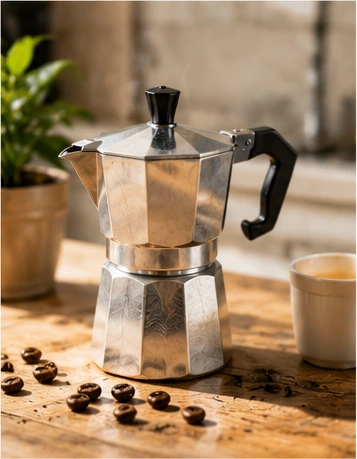
How to Use a Moka Pot
Learn practical methods for moka pots, home espresso machines, and consistent everyday brewing.
Read guide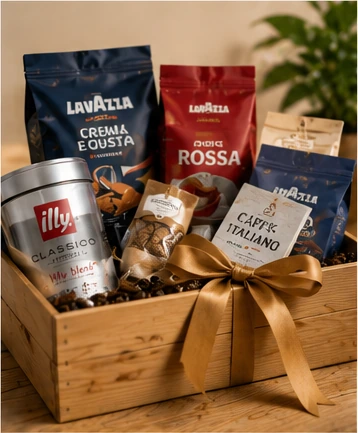
Italian Coffee Gifts
Find thoughtful Italian coffee gift ideas for homes, hosts, and thank-you moments.
Read guideExplore, shop, or enquire
Browse Italian coffee, gift boxes, and home café essentials—or contact Lalilano with questions.